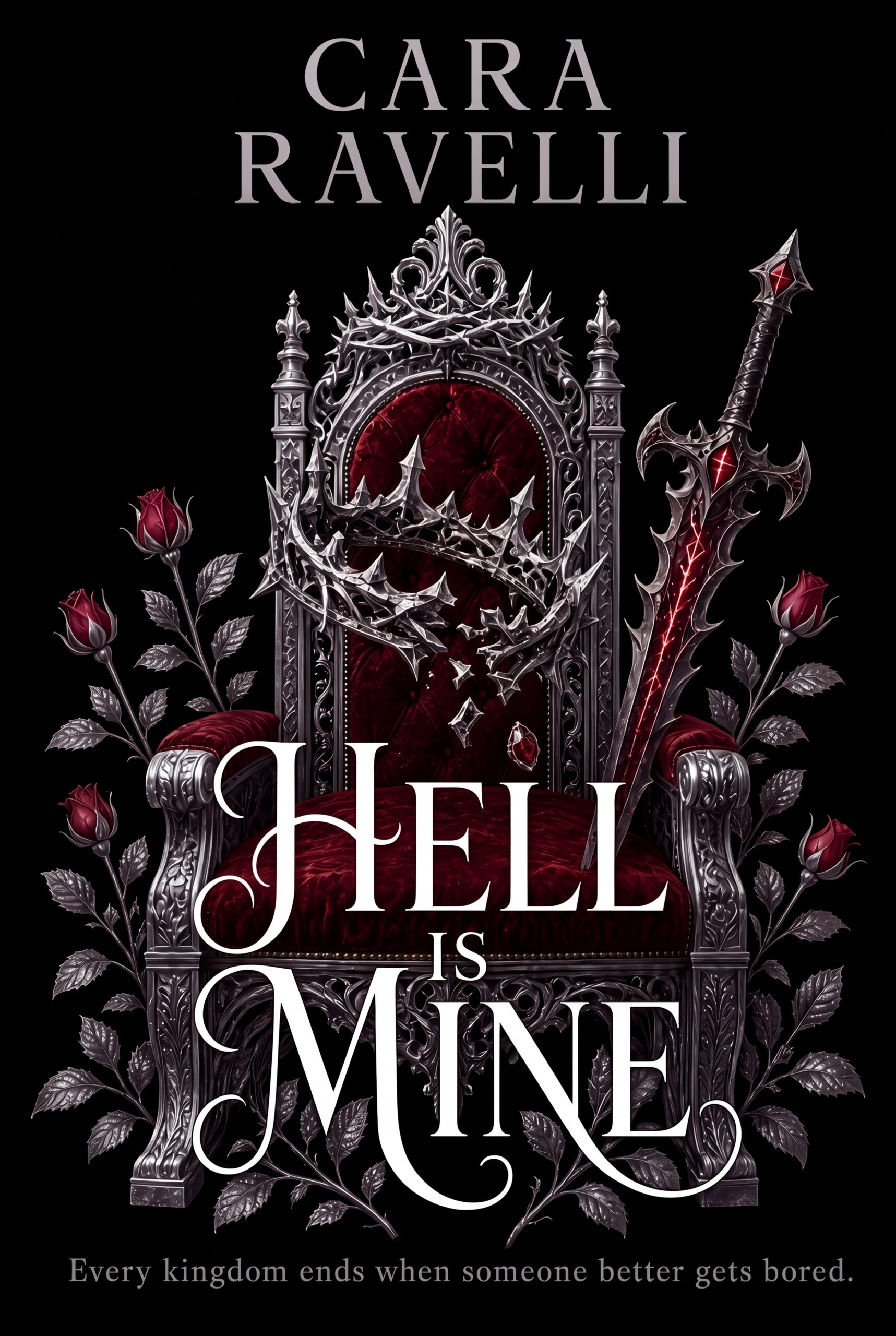
Hell is Mine
Lucifer has ruled Hell for centuries, long enough for power to become habit and punishment to become routine, while demons chase mortal souls in numbers so vast that possession itself has begun to mean very little.
Caius Asmodeus has watched it happen with growing contempt.
He believes Hell could be something far more dangerous: a kingdom built on hierarchy, reputation, rarity, and the kind of desire powerful enough to make even demons compete for what they cannot easily possess. With Astaroth shaping strategy, Berith guarding his back, and Amara standing at his side with enough fire to burn through anyone who mistakes ambition for treason, Caius begins changing Lucifer’s kingdom from within.
At first, Amara loves the audacity of it.
She knows Caius better than almost anyone, knows the hunger beneath the arrogance and the mind behind the smile that has convinced half of Hell he is merely amusing himself. She also knows what happens when he decides something should belong to him, because there was a time when that certainty was turned entirely on her.
Together, they build a new order beneath Lucifer’s throne, creating alliances, rivalries, and rules strong enough to reshape the balance of Hell long before its king understands that obedience has already begun shifting elsewhere. Yet the closer Caius comes to the crown, the more Amara sees the difference between the kingdom they imagined and the one he is willing to create, especially when victory begins demanding choices she can no longer pretend mean nothing.
Caius has never feared Lucifer, and losing Amara will not make him surrender the throne he believes should have been his all along.
The question is whether the woman who helped him conquer Hell will still recognize the man sitting on it when the war is over.